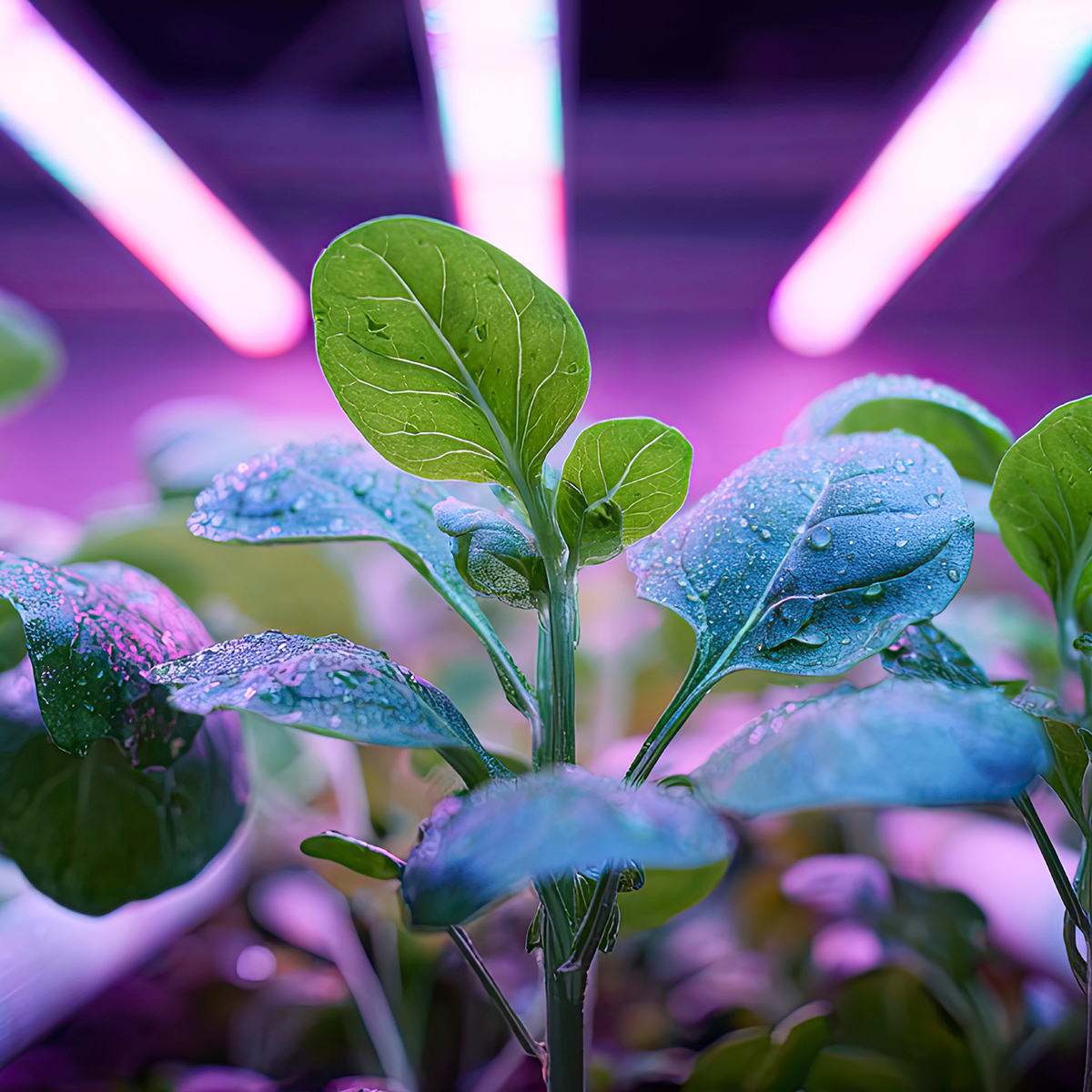
Light is the single most critical factor in indoor growing, serving as the essential energy source for photosynthesis. Choosing the correct grow lights ensures your plants thrive, achieving their maximum potential from seedling to harvest. We offer a selection of industry-leading lighting solutions—including LED, HPS, and Fluorescent—to help every grower customize the perfect light spectrum and intensity for their specific space and plant goals.
Three Primary Grow Light Technologies:
Each lighting type offers distinct advantages related to efficiency, heat output, and spectrum:
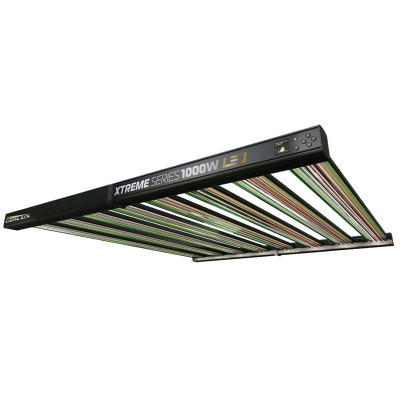
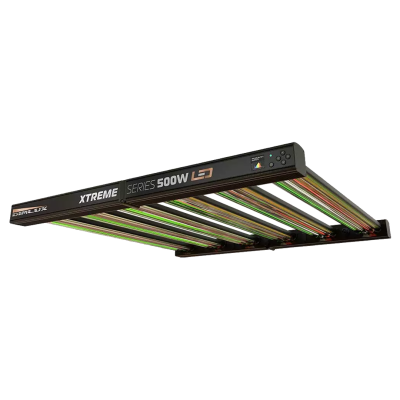
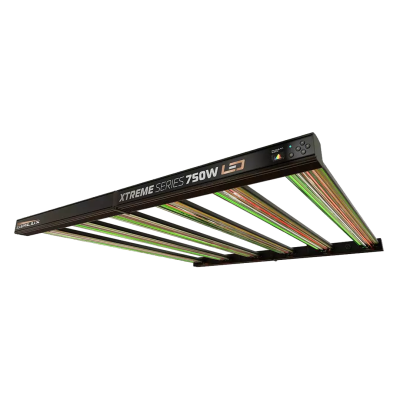
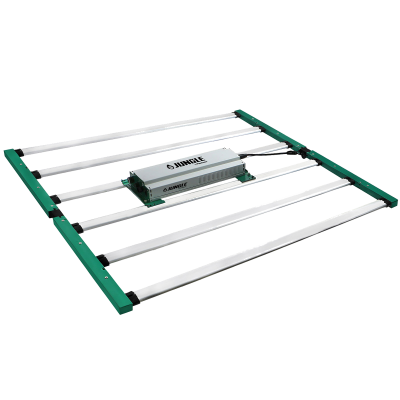
- LED Grow Lights (Light Emitting Diode): The modern standard. LEDs are incredibly energy-efficient, produce minimal heat, and offer tunable spectrums (Full Spectrum, Bloom, Veg). They are a significant upfront investment but provide the lowest long-term operating cost and superior lifespan.
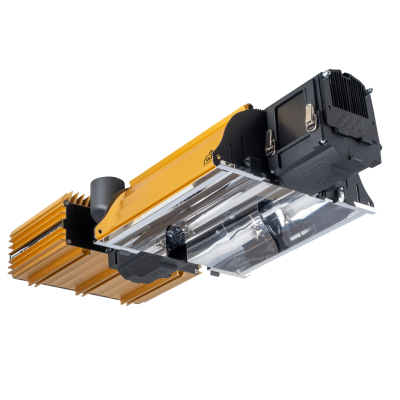
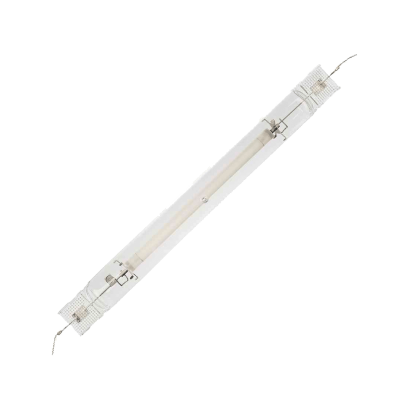
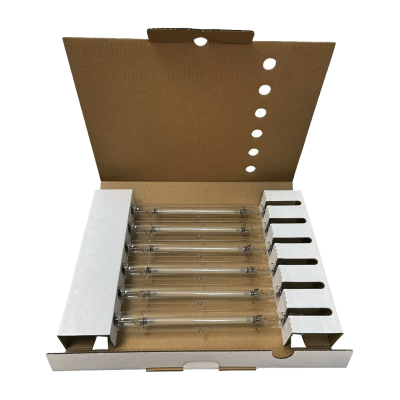
- HPS Grow Lights (High-Pressure Sodium): The traditional workhorse for flowering. HPS lamps deliver high intensity light, with a heavy red/orange spectrum that is highly effective for promoting dense blooms and heavy fruit set. They are cost-effective to buy but generate substantial heat and require external ballasts.
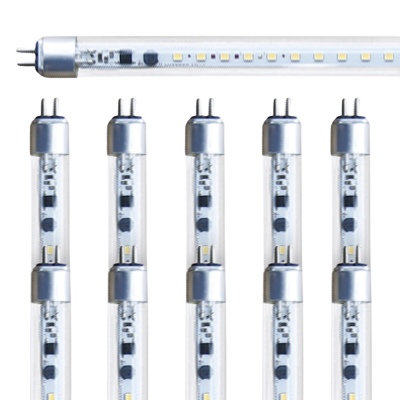
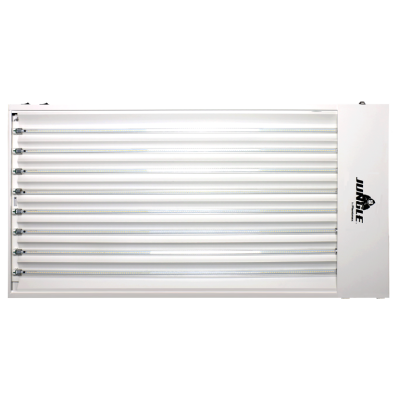
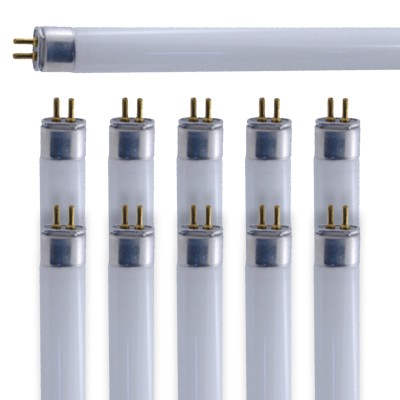
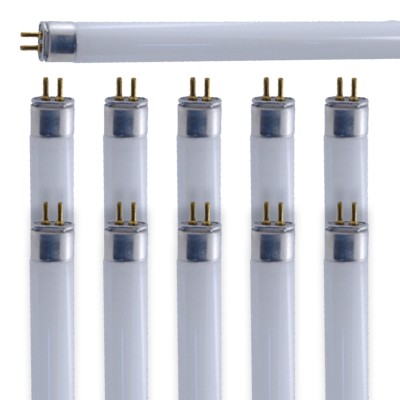
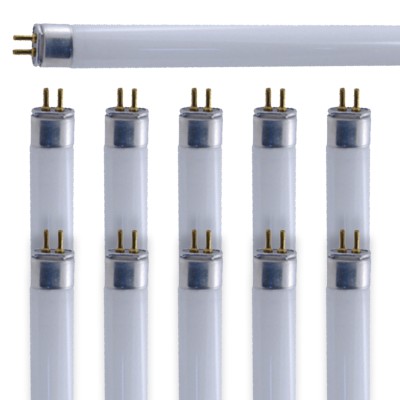
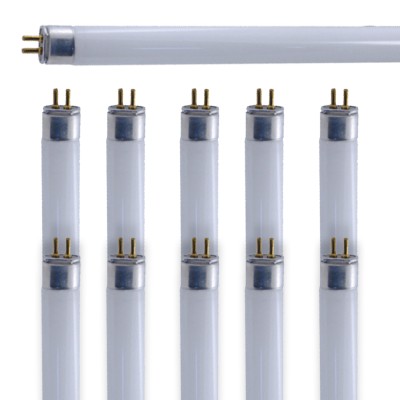
- Fluorescent Grow Lights (T5/CFL): Excellent choices for low-heat, close-proximity applications. Fluorescent lights (especially T5 fixtures) are ideal for starting seeds, rooting cuttings, and maintaining vegetative growth where high intensity isn’t required. They are inexpensive and easy to install.
Matching Light to the Plant Stage:
Using the right light spectrum at the right time maximizes efficiency and health:
- Propagation and Early Veg: Fluorescent or lower-wattage LED panels are perfect here. Plants need a gentle, blue-heavy spectrum to encourage short, stocky growth and strong roots.
- Late Vegetative Growth: A transition to higher-intensity light, often with a balanced spectrum, is required. LEDs offer great control, or you can use supplemental lighting alongside your primary fixtures.
- Flowering and Fruiting: This stage demands the highest intensity and a spectrum rich in reds and oranges. High-output HPS lamps excel here, though many commercial growers are now moving to high-efficiency, red-rich LEDs for this cycle.
Pro Tip for Light Placement:
Always maintain the correct “DLI” (Daily Light Integral) for your plants. Light intensity drops off rapidly the further the light source is from the canopy. Use a light meter, or follow the manufacturer’s suggested hang height for your specific fixture. If your light is too close, you risk burning the leaves; if it’s too far, your plants will stretch and become weak (“leggy”).