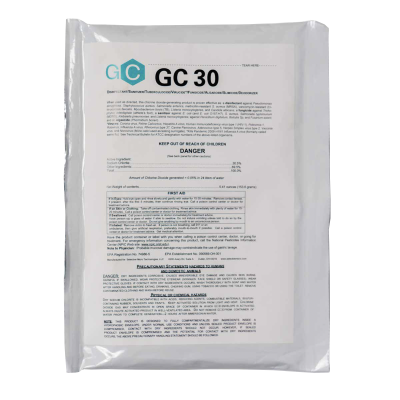
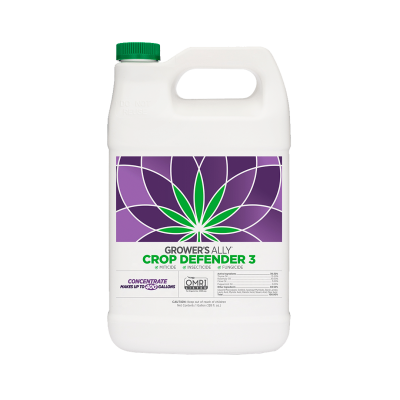
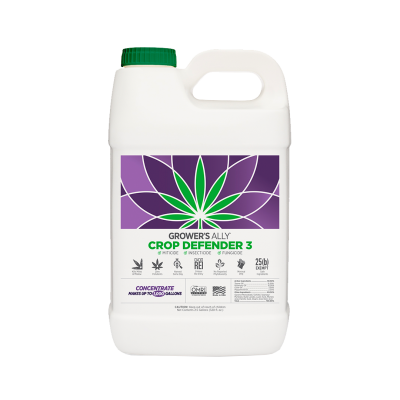
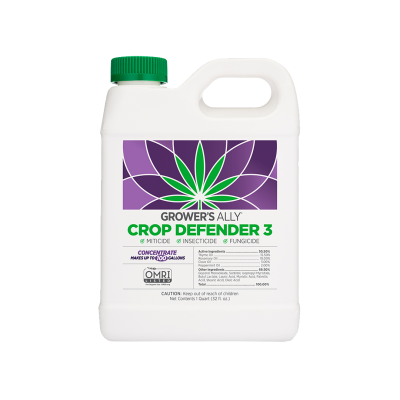
A thriving garden will inevitably attract attention, and that means dealing with pests and diseases is a normal part of growing. Effective Pest & Disease Control is about much more than just treating problems—it’s about proactive defense and maintaining a balanced, resilient environment. By utilizing the right tools, from organic sprays to biological controls, you can protect your plants without compromising the quality or health of your final product.
The Foundation: Integrated Pest Management (IPM):
We recommend following the principles of IPM, a holistic approach that uses the safest methods first. This strategy includes three primary lines of defense:
- Monitoring and Prevention: This involves regularly inspecting plants, using sticky traps to catch early signs of pests, and ensuring good air circulation to deter molds.
- Biological Controls: Utilizing beneficial insects (like predator mites) that naturally prey on common pests. This is the safest, most sustainable way to control infestations without chemicals.
- Targeted Treatments: Applying treatments like Neem Oil, horticultural soaps, or targeted organic fungicides only when necessary to manage outbreaks that have passed the monitoring stage.
Essential Tools for Common Threats:
Having the right preventative and reactive tools on hand is key to stopping problems before they escalate:
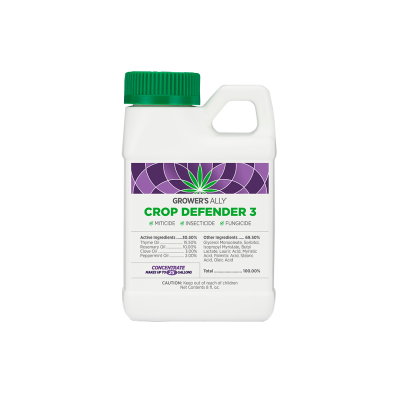
- Organic Insecticides: Products based on natural compounds like pyrethrins or botanical oils that break down quickly, minimizing residue concerns.
- Fungicides and Mildew Control: Essential for indoor environments and humid conditions, these treatments target common molds and mildews that threaten leaf health and yields.
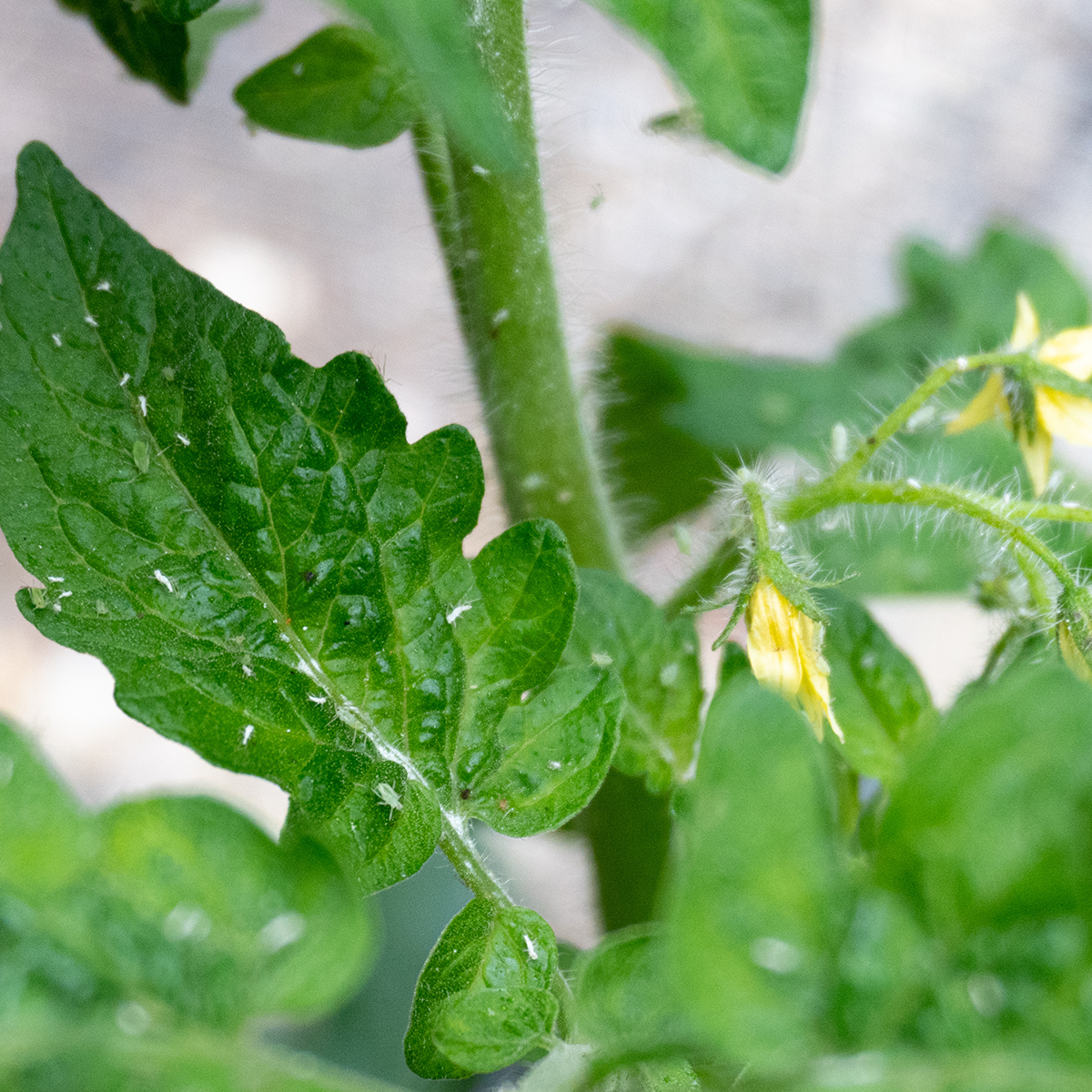
- Insect Traps and Barriers: From yellow sticky cards that catch gnats and whiteflies to mesh netting that prevents larger insects from landing, these physical tools are highly effective for early detection and prevention.
- Sprayers and Applicators: Ensuring you have a quality pump sprayer or mister allows you to achieve complete coverage, which is vital for any treatment to be effective, especially on the undersides of leaves where pests often hide.
Pro Tip for Application:
Always treat a small area first. Before applying any new pest control product to your entire crop, test it on a single leaf or small plant and wait 24 hours. This allows you to confirm that the product does not cause any adverse reaction or phytotoxicity to your specific plant variety under your current environmental conditions.